
Choosing siding for a home is one of the more consequential exterior decisions a homeowner makes. A properly installed siding job should last twenty to fifty years depending on the material, which means a poor choice carries real cost over the full ownership period. Reliable Design-Build-Remodel has been replacing and installing siding on homes across Jefferson and Shelby County since 1992, working with every major siding product available in the residential market. What performs well in Colorado or the Pacific Northwest does not always translate to Alabama conditions. The climate here presents sustained summer heat, significant ambient humidity and rainfall throughout the year, and periodic severe weather events including hail and high winds. The following breakdown covers each major type of house siding with an honest assessment of how it performs in Alabama specifically, what it costs to install, and what ongoing maintenance it requires.
What are the main types of house siding available for residential homes?
The materials that account for the vast majority of residential siding installations in the Birmingham area are vinyl, fiber cement, engineered wood, natural wood, brick and stone veneer, and stucco. T1-11 plywood panel siding is also common on older homes and outbuildings throughout the region. Each material has a meaningfully different profile on cost per square foot installed, maintenance requirements over the full ownership period, durability in Alabama conditions, and the finished appearance it creates. Vinyl is the most widely installed residential siding material in the country, driven by its low upfront cost and minimal ongoing maintenance demands. Fiber cement, most commonly associated with the James Hardie brand, has become the standard premium option for contractors and homeowners focused on long-term performance. Engineered wood products like LP SmartSide sit between vinyl and fiber cement on both cost and durability. Natural wood siding remains the benchmark for appearance but demands more maintenance than any other option on this list. Brick and stone veneer are permanent solutions with essentially no long-term maintenance at a higher upfront investment. Stucco suits certain architectural styles but requires careful installation in humid climates to hold up reliably over time.
Which siding materials hold up best in Alabama’s climate?
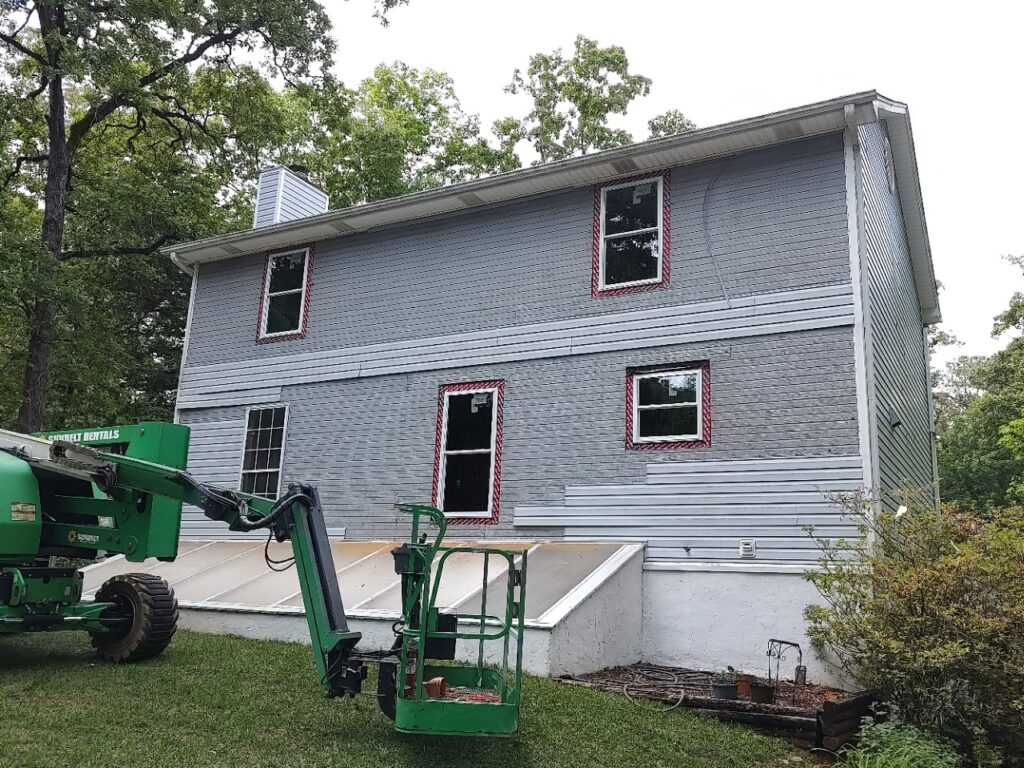
Alabama presents three primary challenges for exterior siding: sustained high temperatures through the summer months, significant ambient humidity and rainfall throughout the year, and periodic severe weather events including high winds and hail. Given those conditions, fiber cement delivers the most consistent long-term performance for Birmingham-area homes. James Hardie specifically engineers a product called HardiePlank HZ10 for high-humidity climates like the Southeast, and it outperforms standard fiber cement in local conditions in ways that compound over a twenty-year ownership period. It does not absorb moisture, does not rot or check, resists termites and impact damage, and maintains paint adhesion well in heat. Engineered wood from LP SmartSide is a strong second option. The zinc borate preservative treatment used in its manufacturing addresses the moisture absorption problems that caused earlier hardboard composites like Masonite to fail, and the product has a solid performance record in humid climates since coming to market in the late 1990s. Vinyl performs acceptably in most Alabama conditions, though lower-quality vinyl can warp slightly under prolonged extreme heat and panels can pull loose in high winds if the original installation was not careful. Natural wood requires more aggressive maintenance in Alabama than it would in a drier climate. Traditional three-coat stucco can perform well when installed correctly, but EIFS synthetic stucco has documented moisture infiltration problems in humid climates and is generally not recommended for new installations in this region.
What does each type of siding cost to install in the Birmingham area?
Cost ranges vary based on home size, facade complexity, and substrate conditions, but the following figures provide a general frame of reference for a house with fifteen hundred to two thousand square feet of exterior wall area. Vinyl siding runs roughly five to eight dollars per square foot installed, working out to approximately seven thousand five hundred to sixteen thousand dollars for a full house. Engineered wood like LP SmartSide runs eight to twelve dollars per square foot, or twelve thousand to twenty-four thousand dollars for a comparable scope. Fiber cement typically runs ten to fifteen dollars per square foot installed, placing a full replacement in the fifteen thousand to thirty thousand dollar range. Natural wood varies considerably by species and grade, ranging from around twelve dollars per square foot for pine to twenty-five dollars or more for premium cedar or redwood. Brick or stone veneer starts around fifteen dollars per square foot installed and can run considerably higher for natural stone. These figures cover material and labor under normal conditions. When existing sheathing has moisture damage behind old siding, common on homes with deteriorating Masonite or failing wood siding, substrate repair adds cost that depends on how far the damage has spread. A thorough pre-installation assessment identifies sheathing conditions before quoting and includes any necessary repair work in the written scope from the beginning.
How do the different siding types compare on maintenance requirements?
Maintenance requirements vary enough across siding materials that they deserve serious consideration before a selection is made, because the upfront cost of a product represents only part of the total cost of ownership over twenty or thirty years. Vinyl requires the least ongoing attention of any siding type: the color runs through the material so it never needs painting, and periodic washing is the primary maintenance task. The trade-off is that damaged or faded panels are replaced rather than repainted, and matching a discontinued color years after installation can be difficult. Fiber cement needs to be repainted periodically, but modern factory finishes from James Hardie can last fifteen or more years before that becomes necessary, and repainting allows full color flexibility, which vinyl does not. Engineered wood has a similar maintenance profile to fiber cement but may need repainting somewhat sooner depending on sun exposure. Natural wood requires repainting or restaining every five to seven years in Alabama’s climate, the most demanding ongoing commitment of any option on this list. Brick and stone veneer are essentially maintenance-free once properly installed, which accounts for a significant portion of their higher upfront cost. Regardless of siding type, maintaining caulk at all penetrations, window frames, door frames, and seams on a regular inspection schedule is important, because moisture infiltration almost always begins at those points regardless of what the field siding material is.
How should a homeowner decide which type of siding is right for their home?
The appropriate siding choice depends on three factors that vary from one homeowner and property to the next: how long the owner plans to remain in the house, what level of ongoing maintenance is acceptable, and what the available budget is. For homeowners planning to sell within five years, vinyl or engineered wood at a lower price point represents a financially sensible investment that updates the exterior and improves curb appeal without over-investing for the benefit of a future buyer. For homeowners staying fifteen or twenty years, the higher upfront cost of fiber cement typically pays for itself through reduced maintenance expense, better paint retention in Alabama heat, and a longer overall performance life. For those who want to eliminate the siding question permanently, brick is the closest available answer. The neighborhood context also matters: the appropriate material for a home in a given price tier and architectural tradition may differ from what makes sense on an adjacent street. A professional exterior assessment of the current siding condition, the substrate behind it, and the specific climate exposure of the home provides the most reliable basis for a material recommendation that will hold up over the full intended ownership period.

Reliable Design-Build-Remodel is a full service general construction firm and remodeling contractor operating in the Birmingham metro and Jefferson and Shelby County areas and surrounding communities, including Birmingham, Helena, Chelsea, Mountain Brook, Hoover, Homewood, Montevallo, Alabaster, Vestavia Hills, and Pelham, with over 30 years of servicing our valued clients. Offering full service suite of general remodeling, design and build services. Our specialties include bathroom remodeling, kitchen remodeling, exterior renovations, interior renovations, painting, and more!
Visit us at reliablerem.com, and like and follow us on Facebook and Instagram!