
Historic homes carry a level of craftsmanship and architectural charm that is difficult to replicate in modern construction. From intricate trim work to timeless exterior details, these homes deserve thoughtful care during any renovation project. One of the most important decisions property owners face is choosing the right siding upgrade. The ideal solution should preserve the character of the home while improving durability, energy efficiency, and long-term maintenance.
At Reliable Design-Build-Remodel, we understand how important it is to balance historic integrity with modern performance. Selecting the best siding upgrade for historic homes involves more than appearance alone. Materials, installation methods, moisture control, insulation, and neighborhood aesthetics all play an important role in protecting the investment for years to come.
What siding materials work best for preserving the character of a historic home?
The best siding upgrade for a historic home often depends on the age, style, and architectural details of the property. In many cases, fiber cement siding has become one of the most trusted modern alternatives because it can closely resemble traditional wood siding while offering greater durability and lower maintenance requirements. Historic homes originally built with wood clapboard, cedar shakes, or board-and-batten siding typically benefit from replacement materials that preserve those original textures and profiles. Fiber cement products are available in a wide variety of styles that mimic the appearance of painted wood grain without being as vulnerable to rot, termites, or excessive moisture damage. For many Birmingham-area homes exposed to humidity and seasonal storms, this added resilience can make a significant difference over time.
In some situations, preserving and restoring the original wood siding may still be the best option. If the existing siding remains structurally sound and historically significant, repairs and selective replacement may maintain the home’s authenticity more effectively than a full exterior renovation. This approach is especially valuable in designated historic districts where architectural guidelines may influence renovation decisions. Engineered wood siding is another option worth considering. It offers a classic appearance while improving resistance to moisture and insects. However, proper installation and ventilation remain essential to ensure long-term performance on older homes that may have different wall structures than modern construction. The most successful siding upgrades are usually the ones that complement the original architecture rather than overpower it. Maintaining appropriate reveal sizes, trim dimensions, and siding patterns helps preserve the timeless appearance that gives historic homes their unique identity.

Can modern siding improve energy efficiency in an older home?
Many historic homes were built long before modern insulation standards existed, which means exterior upgrades can significantly improve indoor comfort and energy performance. As far as the best siding upgrade for historic homes goes, replacing deteriorated siding often creates an opportunity to improve moisture barriers, insulation, and air sealing throughout the exterior wall system. Modern siding systems can help reduce drafts and temperature fluctuations when paired with properly installed house wrap and insulation improvements. Fiber cement and engineered wood products themselves are not necessarily major insulation materials, but the complete wall assembly behind them can make a noticeable difference in heating and cooling efficiency.
Older homes frequently contain gaps around windows, doors, and framing connections that allow conditioned air to escape. During a siding replacement project, these problem areas become more accessible for repairs and sealing. Improving these hidden components can help reduce energy loss without dramatically changing the outward appearance of the home. In Birmingham’s climate, humidity management is just as important as insulation. Historic homes need siding systems that allow moisture to escape properly while protecting against water intrusion. Improperly installed siding can trap moisture inside wall cavities, leading to rot, mold, and structural deterioration over time. Choosing experienced contractors who understand older construction methods is essential for avoiding these issues. Another advantage of upgrading siding is improved protection from UV exposure and harsh weather conditions. Modern materials are designed to withstand years of expansion, contraction, rain, and heat with less maintenance than traditional wood siding. This added durability helps preserve the structure while contributing to long-term efficiency and comfort inside the home.
How do you choose siding colors for a historic house?
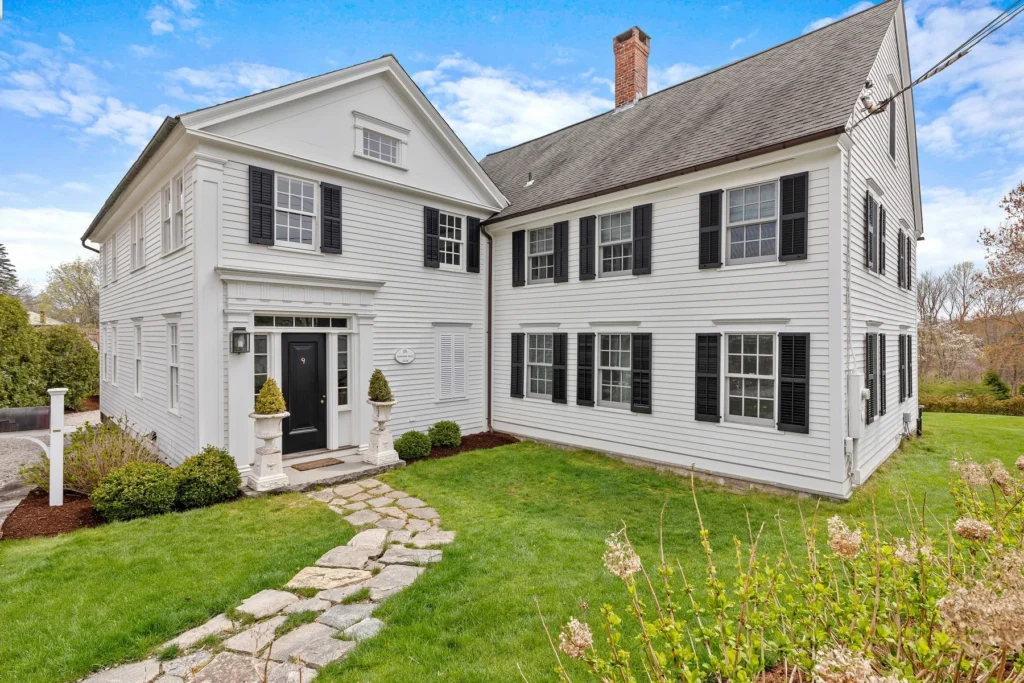
Color selection plays a major role in maintaining the visual integrity of a historic home. The right color palette can highlight architectural details, improve curb appeal, and respect the era in which the home was originally built. Many historic homes were designed with earthy, muted, or classic tones that complemented surrounding neighborhoods and natural landscapes. Deep greens, warm creams, soft grays, historic whites, and traditional blues remain popular choices because they preserve a timeless appearance while still feeling fresh and updated. When selecting siding colors, it is important to consider more than personal preference alone. Roof color, brickwork, trim details, shutters, and surrounding landscaping all influence how the final exterior will appear. Homes with ornate trim often benefit from carefully coordinated accent colors that emphasize craftsmanship rather than hiding it.Historic districts and homeowners associations may also have guidelines regarding approved exterior colors or siding materials. Before beginning a renovation project, reviewing any local requirements can help avoid unexpected complications later in the process.
At Reliable Design-Build-Remodel, we encourage homeowners to view siding color as part of the entire architectural story of the home. The goal is not simply to modernize the exterior, but to enhance its original beauty in a way that feels natural and respectful to the property’s history. Testing sample colors outdoors under natural lighting conditions can also help prevent surprises after installation. Colors often appear different depending on sunlight, shade, and nearby materials, so viewing samples at different times of day is always recommended.
Is fiber cement siding a good choice for historic homes?
Fiber cement siding has become one of the most recommended options as the best siding upgrade for historic homes because it offers a strong combination of durability, appearance, and longevity. Many property owners appreciate that it can replicate the traditional look of painted wood siding while requiring far less maintenance over time. Unlike natural wood, fiber cement resists termites, moisture damage, and warping. This makes it particularly valuable in areas with high humidity and changing weather conditions. Older homes are often more vulnerable to moisture-related issues due to aging framing and ventilation systems, so durable siding materials can provide additional protection against future deterioration.
Another advantage is fire resistance. Fiber cement siding is non-combustible, which can offer additional peace of mind for older structures where original building materials may be more susceptible to fire risks. From a design perspective, fiber cement products are available in numerous widths, textures, and styles that work well with Victorian, Craftsman, Colonial, and other historic architectural designs. Proper installation allows the finished exterior to maintain an authentic appearance without looking overly modern or artificial. That said, installation quality is critical. Historic homes often have uneven framing, settling, or hidden structural concerns that require careful preparation before new siding can be installed. Precision flashing, moisture management, and trim integration are all essential for protecting the home and ensuring the siding performs properly for decades. While fiber cement siding may involve a higher upfront investment than some vinyl products, many homeowners find the long-term value worthwhile because of its durability, appearance, and reduced maintenance demands.
What should homeowners expect during a historic home siding renovation?
Siding renovation projects on historic homes typically require more planning and attention to detail than standard exterior remodels. Older homes often reveal hidden conditions once existing siding is removed, including water damage, outdated insulation, deteriorated sheathing, or structural repairs that need to be addressed before new materials can be installed. The process usually begins with a detailed inspection of the home’s exterior condition. Contractors evaluate existing siding materials, trim details, ventilation systems, and moisture concerns to determine the most appropriate upgrade approach. For historic properties, maintaining architectural consistency remains a major priority throughout the project. Careful preparation is especially important. Protecting landscaping, porches, windows, and decorative trim helps preserve the home’s original character during construction. Experienced remodeling professionals also understand how to blend modern building practices with older construction techniques to achieve the best long-term results. Timelines may vary depending on the size of the home, weather conditions, and the extent of any underlying repairs. In some cases, siding replacement uncovers areas requiring carpentry restoration before installation can continue. Addressing these issues early helps prevent larger problems from developing in the future.
Communication throughout the renovation process is also essential. Historic home projects often involve many moving parts, and clear expectations help ensure a smoother experience from start to finish. Choosing a contractor familiar with older homes can make a significant difference in preserving both the beauty and structural integrity of the property. At Reliable Design-Build-Remodel, we believe every historic home deserves thoughtful craftsmanship and careful planning. The best siding upgrade for historic homes should honor the original character of the home while improving protection, comfort, and long-term value for generations to come.

Reliable Design-Build-Remodel is a full service general construction firm and remodeling contractor operating in the Birmingham metro and Jefferson and Shelby County areas and surrounding communities, including Birmingham, Helena, Chelsea, Mountain Brook, Hoover, Homewood, Montevallo, Alabaster, Vestavia Hills, and Pelham, with over 30 years of servicing our valued clients. Offering full service suite of general remodeling, design and build services. Our specialties include bathroom remodeling, kitchen remodeling, exterior renovations, interior renovations, painting, and more!
Visit us at reliablerem.com, and like and follow us on Facebook and Instagram!