When planning a kitchen remodel, cabinetry is one of the most important design decisions you’ll make. Cabinets influence not only how your kitchen looks but also how it functions day to day. At Reliable Design-Build-Remodel, we often guide clients through the many cabinet options available, and one topic that frequently comes up is partial vs full overlay cabinets. While both styles can create beautiful kitchens, understanding their differences helps ensure your renovation aligns with your aesthetic preferences, storage needs, and overall investment goals.
Below, we’ll walk through the most common considerations that arise when comparing these two cabinet styles and how each option can impact the finished space.
What Is the Difference Between Partial Overlay and Full Overlay Cabinets?
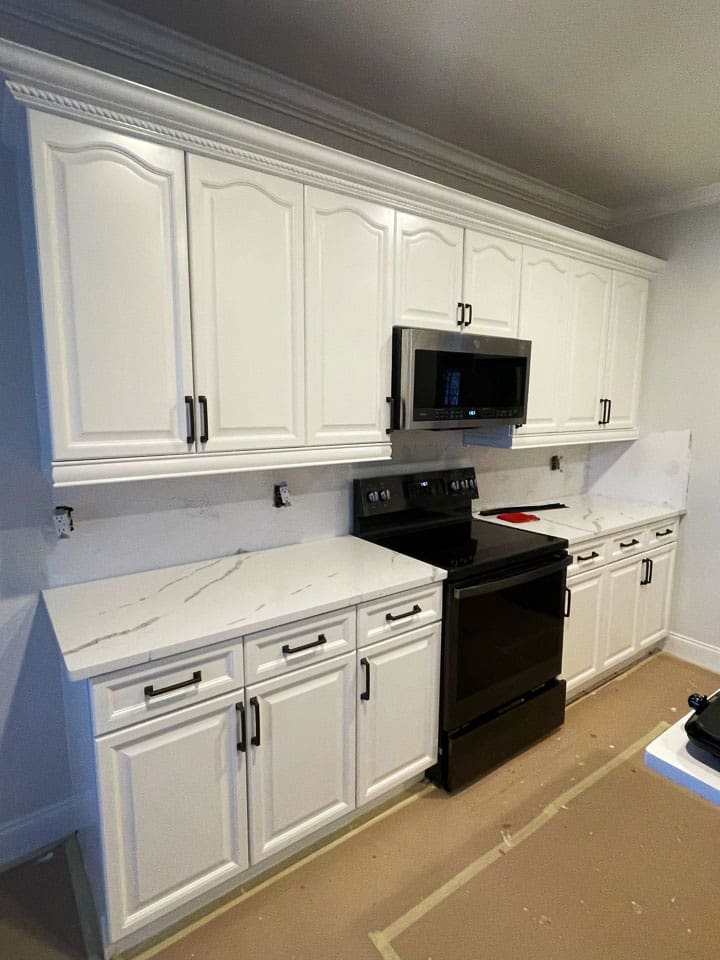
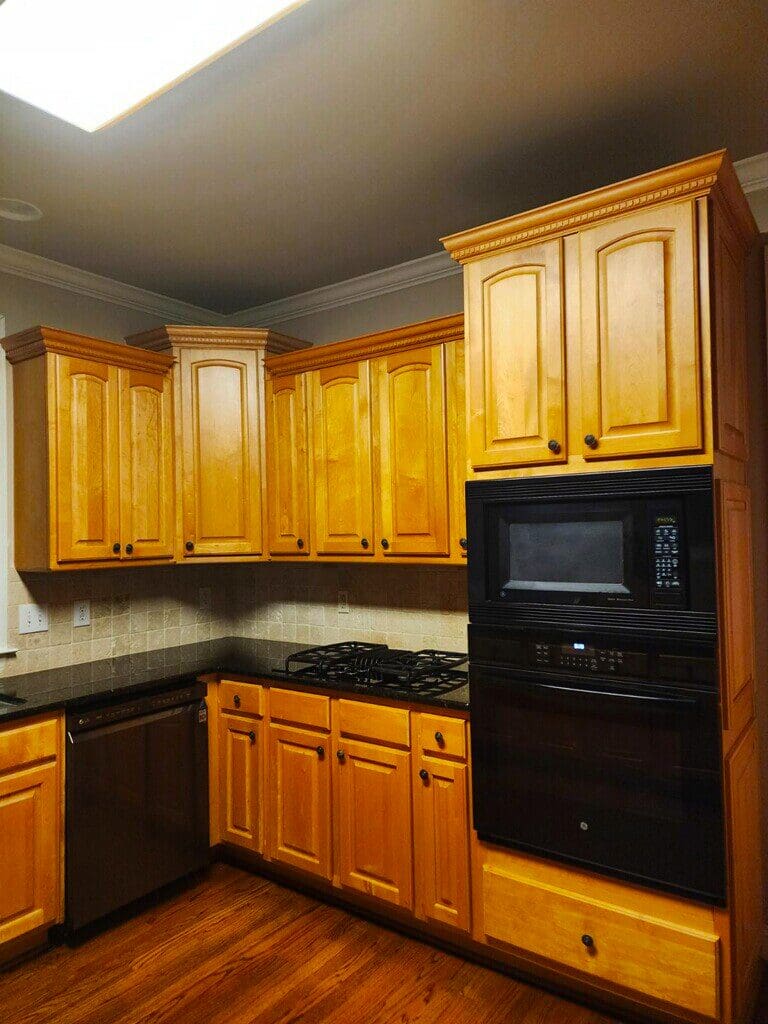
The primary distinction between partial overlay and full overlay cabinets lies in how much of the cabinet frame is covered by the door and drawer fronts. Partial overlay cabinets, sometimes called standard overlay cabinets, leave a portion of the cabinet frame visible around each door. Typically, the doors cover about half to three-quarters of the frame, creating visible spacing between cabinet doors and drawers. This traditional look has been popular for decades and continues to work well in classic or transitional kitchen designs.
Full overlay cabinets, on the other hand, are designed so that doors and drawers almost completely cover the cabinet face frame. The result is a more seamless appearance with tighter spacing between doors. This style creates cleaner lines and a more modern or high-end aesthetic.From a construction standpoint, neither option is inherently better, they simply achieve different visual results. Partial overlay cabinetry emphasizes craftsmanship and detail through visible framing, while full overlay cabinetry focuses on continuity and sleek design. The choice often comes down to whether you prefer timeless character or a streamlined appearance.
Which Cabinet Style Looks More Modern?
Many homeowners associate full overlay cabinets with contemporary kitchen design, and there’s good reason for that. Because the cabinet doors cover most of the frame, full overlay cabinets produce smooth, uninterrupted surfaces that pair beautifully with modern finishes, minimalist hardware, and open-concept layouts.
Full overlay cabinets also allow design elements such as slab doors, flat-panel fronts, and integrated pulls to stand out. These features contribute to the clean, architectural look that has become increasingly popular in today’s kitchens. Partial overlay cabinets, however, should not be mistaken as outdated. They offer a warm, inviting feel that complements traditional homes, farmhouse kitchens, and transitional remodels. The visible frame creates visual rhythm and definition, especially when paired with raised-panel doors or decorative hardware.
In many Birmingham-area homes, we see partial overlay cabinets used successfully in renovations where homeowners want to preserve the character of an older home while updating functionality. Meanwhile, full overlay cabinets often appeal to those seeking a fresh, modern transformation. Ultimately, “modern” is less about trends and more about how well cabinetry fits the home’s architecture and the homeowner’s personal style.
Do Full Overlay Cabinets Provide More Storage Space?
Storage efficiency is another important factor when comparing partial vs full overlay cabinets. While the difference may seem subtle, full overlay cabinetry can offer slightly greater usable space. Because full overlay cabinets reduce the amount of visible frame around openings, cabinet doors typically allow wider access to the interior. This can make it easier to store larger cookware, appliances, and organizational systems. Wider openings also improve accessibility, particularly in base cabinets and pantry storage.
Partial overlay cabinets still provide excellent storage capacity, but the exposed frame slightly narrows the cabinet opening. For many households, this difference is minimal and may not noticeably impact everyday use. Where storage truly improves is not just through overlay style but through thoughtful design planning. Pull-out shelves, drawer organizers, vertical dividers, and custom pantry solutions often have a greater influence on kitchen functionality than overlay type alone.
During remodeling consultations, we encourage clients to think beyond cabinet doors and consider how they actually use their kitchens. The right layout, combined with well-designed cabinetry, ensures the space works efficiently regardless of overlay style.
Are Partial Overlay Cabinets More Affordable Than Full Overlay Cabinets?
Budget considerations naturally play a role in any remodeling project, and cabinet style can influence overall costs. Partial overlay cabinets are generally more budget-friendly. Because the doors are smaller and require slightly less material, manufacturing costs tend to be lower. Hardware alignment is also more forgiving, which can simplify installation. For homeowners looking to maximize value without sacrificing quality, partial overlay cabinets often provide an excellent balance between cost and appearance.
Full overlay cabinets typically cost more due to larger door fronts, tighter spacing requirements, and more precise installation. Achieving consistent reveals—the small gaps between doors—requires careful craftsmanship and higher attention to detail. Soft-close hinges, upgraded drawer systems, and premium finishes are also commonly paired with full overlay designs, contributing to the higher price point. However, cost should always be evaluated within the broader scope of a kitchen remodel. Cabinet quality, construction method, material selection, and customization level usually influence pricing more than overlay style alone. Both partial and full overlay cabinets are available across a wide range of budgets, from semi-custom options to fully custom cabinetry.
Choosing the right option often comes down to identifying where you want to invest for long-term satisfaction.
Which Cabinet Style Is Best for Long-Term Durability and Maintenance?
Durability and ease of maintenance are essential considerations for kitchens that see daily use. Fortunately, both partial and full overlay cabinets can perform exceptionally well when properly constructed and installed. Partial overlay cabinets have one practical advantage: the exposed cabinet frame offers additional protection against wear. Because the frame remains visible, minor alignment changes or hinge adjustments over time are less noticeable. This makes partial overlay cabinetry especially forgiving in busy family kitchens.
Full overlay cabinets rely on precise alignment to maintain their clean appearance. While modern hinge systems are highly adjustable and durable, maintaining consistent spacing may occasionally require minor adjustments as cabinetry naturally settles. With professional installation and quality hardware, however, these cabinets remain reliable for many years. Maintenance for both styles is relatively straightforward. Smooth finishes, durable paints, and high-quality sealants help cabinetry resist moisture, grease, and everyday wear. Regular cleaning with gentle, non-abrasive products keeps doors looking new regardless of overlay type.
From our experience as remodeling professionals, longevity depends less on whether cabinets are partial or full overlay and more on craftsmanship, materials, and installation expertise. Well-built cabinets of either style can serve a household beautifully for decades.
Making the Right Choice for Your Kitchen Remodel
Choosing between partial vs full overlay cabinets is ultimately about aligning design preferences with lifestyle needs. Both styles offer strong advantages, and neither represents a one-size-fits-all solution. Partial overlay cabinets deliver timeless charm, budget flexibility, and a comfortable traditional aesthetic that suits many established homes. They work especially well in kitchens where warmth and character are central design goals.
Full overlay cabinets provide sleek visual continuity, slightly improved accessibility, and a polished appearance that complements modern renovations and open-concept living spaces. For homeowners seeking a refined, contemporary look, this option often feels like a natural fit. The most successful kitchen remodels happen when cabinetry decisions are considered alongside layout planning, lighting design, appliance integration, and overall home style. Cabinets should enhance how the kitchen feels, functions, and connects to the rest of the home.
At Reliable Design-Build-Remodel, our approach is to guide clients through these decisions with clarity and care. Every home is different, and every family uses their kitchen in unique ways. By evaluating design goals, storage needs, and long-term expectations, it becomes much easier to determine which cabinet style will bring lasting satisfaction. Whether you are envisioning a warm, classic kitchen or a clean, modern transformation, understanding the differences between partial and full overlay cabinets is an important step toward creating a space that feels both beautiful and practical for years to come.

Reliable Design-Build-Remodel is a full service general construction firm and remodeling contractor operating in the Birmingham metro and Jefferson and Shelby County areas and surrounding communities, including Birmingham, Helena, Chelsea, Mountain Brook, Hoover, Homewood, Montevallo, Alabaster, Vestavia Hills, and Pelham, with over 30 years of servicing our valued clients. Offering full service suite of general remodeling, design and build services. Our specialties include bathroom remodeling, kitchen remodeling, exterior renovations, interior renovations, painting, and more!
Visit us at reliablerem.com, and like and follow us on Facebook and Instagram!