At Reliable Design-Build-Remodel here in Birmingham, AL, we love helping homeowners make smart, stylish choices that enhance their kitchens for years to come. One of the most common topics we discuss during kitchen remodels is the backsplash—especially the portion behind the stove or range. This area does more work and takes more abuse than most people realize, so thoughtful planning makes a big difference. Below, we answer some of the most frequently asked questions about installing a kitchen backsplash behind the range, offering friendly and practical guidance to help you feel confident in your selections.
What can I use for a backsplash behind the stove?
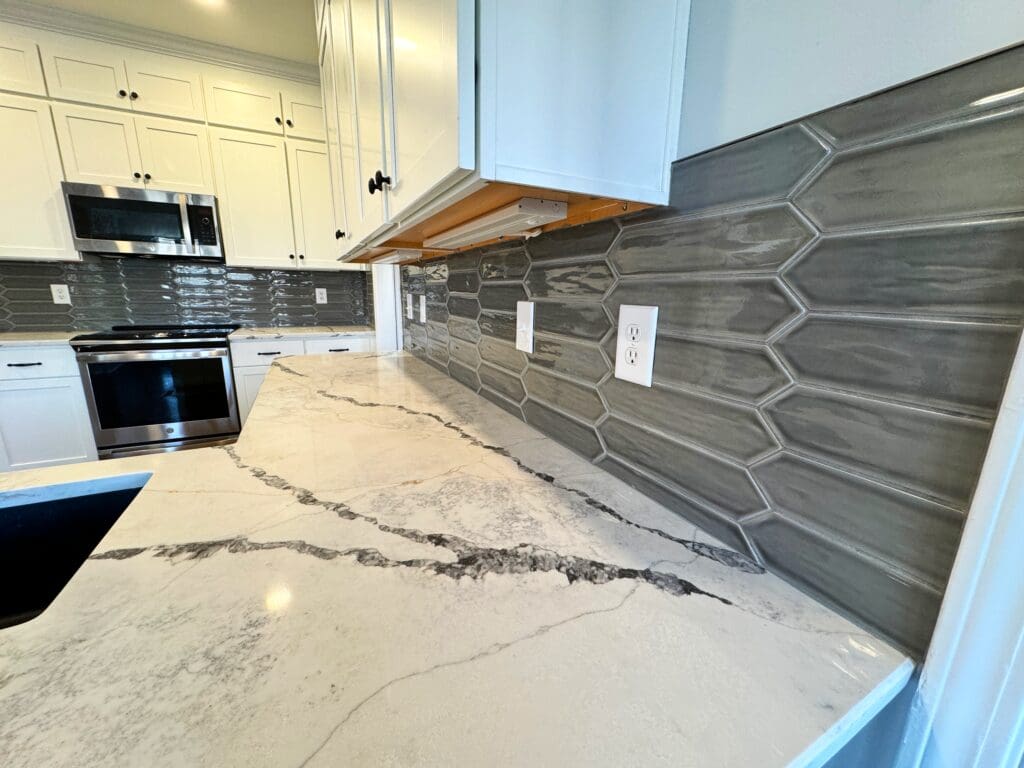
When choosing a backsplash behind the stove, durability and ease of cleaning should be top priorities. Materials like ceramic tile, porcelain tile, glass tile, and quartz slabs are all excellent choices because they resist heat, stains, and moisture. Natural stone can also be a beautiful option, though it often requires more maintenance and sealing. For homeowners looking for a sleek and modern look, using the same material as the countertop—such as a full-height quartz or solid surface backsplash—creates a clean, uninterrupted finish that’s very popular right now. If you enjoy bold design, patterned tiles or textured materials can add personality while still performing well in the high-heat environment behind a range. No matter the aesthetic you prefer, there is a durable and stylish material that will suit your kitchen.
Does the backsplash go behind the range hood?
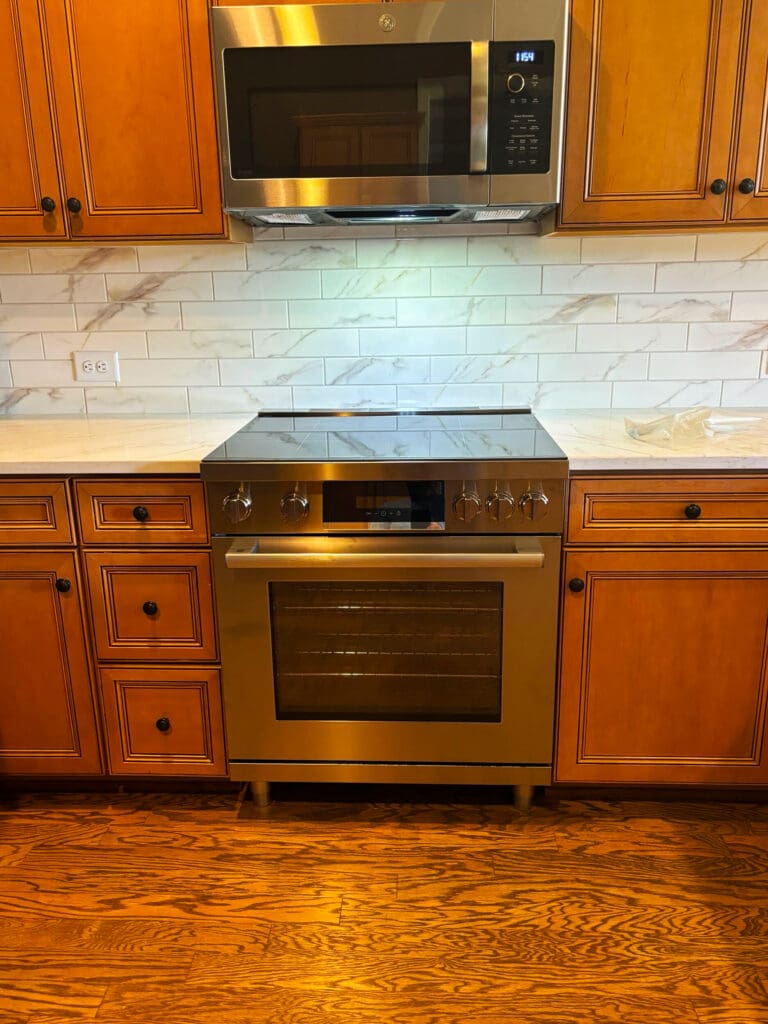
Yes, the backsplash typically continues behind the range hood. This creates a more polished, intentional appearance and helps anchor the entire cooking area as a focal point within the kitchen. Even though the hood covers part of the wall, the surface underneath still benefits from protection against steam and heat. Installing the backsplash up to the bottom of an under-cabinet hood—or all the way to the ceiling for a chimney-style hood—also makes cleaning more manageable. Grease and vapor rising from the stove can settle on any exposed surface, so having a wipeable backsplash underneath keeps your cooking area fresher and easier to maintain.
Where should you not put a backsplash?
While backsplashes can be used creatively throughout a kitchen, there are a few places where they may not be necessary. Areas far from water, heat, and food prep often don’t require the same level of protection. For example, walls around a breakfast nook, appliance garage, or pantry cabinet might not need backsplash coverage. Installing a backsplash in these areas may provide aesthetic value, but from a functional standpoint, it offers little benefit. It’s also wise to avoid using materials unsuited for certain environments—like untreated natural stone near high-moisture zones or wallpaper in areas that could become greasy. At Reliable Design-Build-Remodel, we help our clients spend their budget wisely by focusing backsplash installation where it matters most for everyday use.
What is the easiest backsplash to clean behind a range?
The easiest backsplash to clean behind a range is generally a smooth, nonporous material without many grout lines. Full-height quartz slabs, solid surface materials, or large-format porcelain panels are among the top choices for homeowners who want minimal upkeep. These surfaces provide a sleek, continuous finish that you can wipe down quickly with mild soap and water. If you prefer tile, choosing larger tiles with epoxy grout can make cleaning significantly easier than traditional grout. Glass tile is also very user-friendly, as it resists stains and wipes clean with little effort. Ultimately, the best backsplash behind the range is one that can withstand repeated cleaning without discoloration or wear, especially in a busy kitchen.
What is the etiquette for backsplash?
While “backsplash etiquette” might sound formal, it really comes down to a combination of design coherence and practical decision-making. Typically, the backsplash should run the length of the countertop, maintain a consistent height, and ensure a balanced look throughout the kitchen. Many homeowners choose a standard height of 4 to 18 inches above the counter, while others opt for a full-height backsplash that reaches the upper cabinets or even the ceiling. It’s also considered good etiquette to coordinate materials thoughtfully—your backsplash should complement your countertops, cabinetry, and overall kitchen style without overwhelming the space. Functionally, etiquette also means choosing materials that make sense for your lifestyle. Your backsplash should support your daily routines, not work against them. A well-chosen backsplash respects both beauty and practicality.

At Reliable Design-Build-Remodel, we guide Birmingham-area homeowners through every detail of the remodeling process, helping you choose kitchen features that look beautiful, perform well, and stand the test of time. Whether you’re upgrading your kitchen backsplash behind the range or planning a full remodel, we’re here to create a design that fits your home and your life. If you have questions or are ready to start planning, our team is always here to help.
Reliable Design-Build-Remodel is a full service general construction firm and remodeling contractor operating in the Birmingham metro and Jefferson and Shelby County areas and surrounding communities, including Birmingham, Helena, Chelsea, Mountain Brook, Hoover, Homewood, Montevallo, Alabaster, Vestavia Hills, and Pelham, with over 30 years of servicing our valued clients. Offering full service suite of general remodeling, design and build services. Our specialties include bathroom remodeling, kitchen remodeling, exterior renovations, interior renovations, painting, and more!
Visit us at reliablerem.com, and like and follow us on Facebook and Instagram!