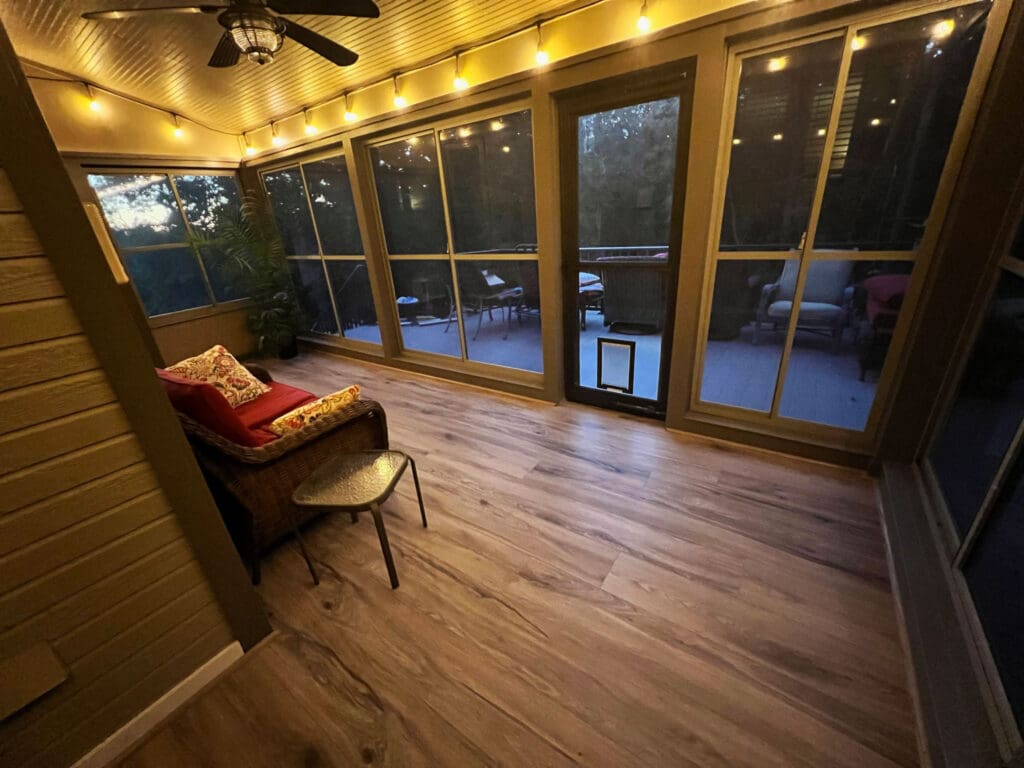
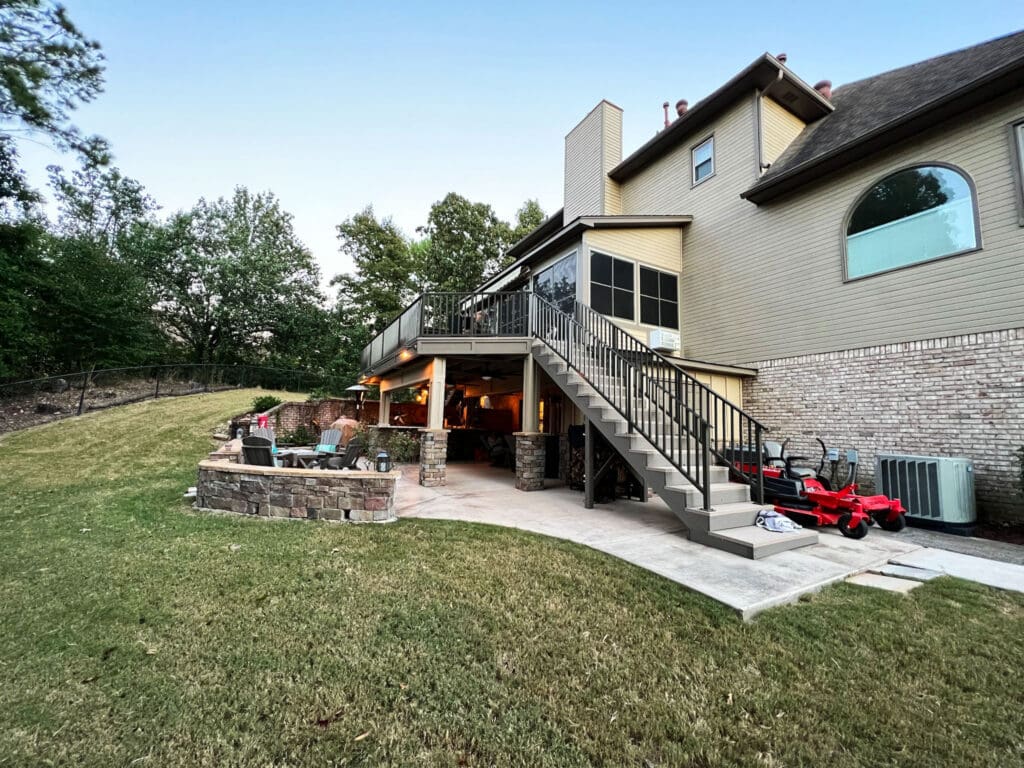
A sunroom is one of the most rewarding additions you can make to a home, giving you a bright, comfortable place to enjoy the outdoors without the bugs, the glare, or the weather. When families start planning one, the first real decision is whether to build a four-season room vs a three-season room. The two look similar at a glance, but they are built differently, cost differently, and serve different purposes. At Reliable Design-Build-Remodel, we have built both for homeowners across the Birmingham area, and the right choice always comes down to how you want to use the space. Here is how we help families decide.
What is the difference between a three-season and four-season room?
The core difference is whether the room is heated and cooled as part of your home. A three-season room is designed for spring, summer, and fall. It typically has large expanses of glass or screen, lighter construction, and no connection to your home’s heating and cooling system, which makes it a wonderful spot in mild weather but uncomfortable in the coldest and hottest stretches. A four-season room, by contrast, is fully insulated, built with energy-efficient glass, and tied into your HVAC so it stays comfortable year-round. In practical terms, a four-season room is a true addition to your living space, while a three-season room is a comfortable transitional space between indoors and out. That distinction drives nearly every other difference between the two.
Which room type works better in Alabama’s climate?
Our climate genuinely supports either a four-season room vs a three-season room, which is part of what makes the decision interesting. Alabama’s long, mild springs and falls mean a three-season room gets a lot of use here; there are many pleasant weeks when you would happily sit out in one with nothing but a ceiling fan. The challenge is our summers. Without cooling, a heavily glazed three-season room can become uncomfortably warm in July and August, which are prime months for outdoor enjoyment. A four-season room solves that by conditioning the air, so the space is just as inviting during a humid August afternoon as it is on a cool October evening. If you want a room you will truly use every month of the year, the four-season build fits our climate best; if your priority is a breezy spot for the mild seasons, a three-season room delivers that beautifully.
How do the costs compare between the two?
A three-season room generally costs less to build than a four-season room, and the reason is straightforward. The four-season version requires full insulation, higher-performance glass, and an extension of your heating and cooling system, all of which add materials and labor. It is built to the standard of a permanent, conditioned addition. A three-season room uses lighter construction and skips the HVAC tie-in, which keeps the price down. It is worth looking past the upfront number, though. Because a four-season room counts as finished, conditioned living space, it tends to contribute more to your home’s value and gives you more usable days per year. We help families weigh the initial cost against long-term use and value, and we provide a detailed, transparent estimate for whichever direction you choose so there are no surprises. We can also walk you through financing options, which makes it easier for many families to build the room the right way rather than scaling back their plans.
Will a sunroom addition add value to your home?
A well-built sunroom is generally a strong addition, both for daily enjoyment and for resale. A four-season room typically adds the most measurable value because it expands your finished square footage and reads to buyers as a genuine room they can use all year. A three-season room adds appeal and lifestyle value, and buyers often love it, though it may not carry the same square-footage weight as a fully conditioned space. In either case, the quality of construction matters enormously; a sunroom that is properly built, well integrated with the home’s architecture, and finished to match the rest of the house will always show better and hold its value better than a bolt-on kit. That integration is exactly the kind of thing a licensed general contractor handles well.
How do you decide which one fits your needs?
Start with how and when you picture using the room. If you imagine morning coffee in spring, dinners in the fall, and are comfortable closing the room up during the most extreme weeks, a three-season room is a delightful and economical choice. If you want a year-round retreat, a home office bathed in light, or a true extension of your living area that you will use in January as readily as in May, the four-season room is worth the additional investment. Budget, how long you plan to stay in the home, and how the room will tie into your existing floor plan all factor in too. It is also worth thinking about which direction the room will face and how much sun it will get; a south- or west-facing room collects a great deal of afternoon heat, which can make the conditioning of a four-season build even more worthwhile, while a shadier exposure may make a three-season room comfortable for more of the year. We are happy to walk your property, talk through the trade-offs of a four-season room vs a three-season room, and help you land on the option that fits your life and your home.

Reliable Design-Build-Remodel is a full service general construction firm and remodeling contractor operating in the Birmingham metro and Jefferson and Shelby County areas and surrounding communities, including Birmingham, Helena, Chelsea, Mountain Brook, Hoover, Homewood, Montevallo, Alabaster, Vestavia Hills, and Pelham, with over 30 years of servicing our valued clients. Offering full service suite of general remodeling, design and build services. Our specialties include bathroom remodeling, kitchen remodeling, exterior renovations, interior renovations, painting, and more!
Visit us at reliablerem.com, and like and follow us on Facebook and Instagram!