
At Reliable Design-Build-Remodel here in Birmingham, Alabama, we believe the smallest details in a home often make the biggest difference. One issue we regularly help homeowners address is caulk shrinkage and gapping. While it may seem minor at first glance, it can affect everything from moisture protection to energy efficiency and long-term structural integrity. If you’ve noticed small separations forming around your tub, shower, windows, or trim, you are not alone. Below, we’re addressing some of the most common questions homeowners search when trying to understand what’s happening and what to do next.
What causes caulk shrinkage and gapping in the first place?
Caulk shrinkage and gapping typically happen when the material loses volume as it cures or fails to properly adhere to the surfaces it was meant to seal. Several factors can contribute to this. One of the most common causes is improper product selection. Not all sealants are designed for the same conditions. Some are meant for interior trim work in climate-controlled environments, while others are engineered for high-moisture or exterior applications. When the wrong type is used, it may dry out, contract excessively, or lose adhesion over time.
Surface preparation also plays a major role. If the area was not thoroughly cleaned before application, dust, debris, soap residue, or old material can prevent a strong bond. As the product cures, it may pull away from one or both sides of the joint. In Birmingham’s climate, our rather constant temperature swings and ambient humidity levels further stress these joints. As materials expand and contract throughout the year, the seal must flex with them. If it cannot, separation occurs.
Is caulk shrinkage and gapping just cosmetic, or is it a problem?
In some cases, it may be primarily cosmetic. Over time, all sealants age and eventually require maintenance. However, dismissing caulk shrinkage and gapping as purely aesthetic can sometimes lead to larger issues. The purpose of this material is to create a barrier against air and water intrusion. Once that barrier is compromised, moisture can begin to seep into areas not designed to get wet. In bathrooms, this can lead to soft drywall, deteriorating backer board, and even mold growth behind tile or along baseboards. In kitchens, water from sinks and countertops can reach cabinetry and substructures, causing swelling or warping. Around exterior windows and doors, gaps can allow rainwater and humid air to enter wall cavities, potentially affecting insulation and framing.
When our team evaluates homes in the Birmingham area, we look beyond the surface. We assess whether the issue is isolated or recurring, whether there are signs of staining or softness, and whether underlying materials have been compromised. Early intervention is key to preventing costly repairs later.
How does Birmingham’s climate impact caulk shrinkage and gapping?
Our local environment plays a significant role in how materials perform. Birmingham experiences hot, humid summers and cooler winters, creating cycles of expansion and contraction in building materials. Wood framing, trim, siding, and even tile installations respond to these environmental changes. If the sealant applied between those materials cannot accommodate that movement, stress develops along the joint. Humidity also affects curing and longevity. Excess moisture during application can interfere with adhesion. Over time, prolonged exposure to high humidity levels may contribute to breakdown in lower-quality products. Exterior areas are especially vulnerable due to direct sunlight, rain, and seasonal temperature shifts.
That’s why professional product selection and installation methods matter. In remodeling projects, we consider the environment as carefully as the aesthetic outcome. Choosing materials rated for flexibility and durability in our specific climate helps reduce the likelihood of premature failure.
Can homeowners repair caulk shrinkage and gapping themselves?
In some situations, yes. If the separation is minor and there are no signs of underlying damage, homeowners can carefully remove the old material, clean the surface thoroughly, allow it to dry completely, and apply a high-quality replacement product suited to the location. Attention to detail during preparation is essential. Simply applying new material over old residue will almost always result in recurring separation. However, there are situations where a do-it-yourself approach may not solve the underlying issue. If the same joint continues to fail repeatedly, it may indicate structural movement or improper joint design. Larger gaps may require backer rod installation to ensure proper flexibility. If moisture damage has already occurred behind the surface, reapplying product alone will not correct the problem.
At Reliable Design-Build-Remodel, we often encounter cases where repeated homeowner repairs masked a deeper concern. Our approach is to evaluate the entire assembly—substrate condition, waterproofing systems, ventilation, and structural stability—before recommending a solution.
When should you call a professional about caulk shrinkage and gapping?
If you notice persistent separation, soft or discolored surfaces, musty odors, or visible signs of water damage, it is time to seek professional guidance. These symptoms suggest that moisture may have penetrated beyond the surface. The longer water remains trapped behind walls, tubs, or trim, the greater the risk of mold growth and material deterioration. You should also consider professional evaluation if gaps appear simultaneously around multiple windows or doors. This can sometimes indicate settling or shifting within the home. While some movement is normal, consistent separation in several areas warrants closer inspection.
During bathroom or kitchen remodels, proper sealing integrates with waterproofing membranes, flashing details, and ventilation systems. Addressing caulk shrinkage and gapping within a broader remodeling strategy ensures long-term protection rather than temporary patchwork. At Reliable Design-Build-Remodel, we view these details as part of a comprehensive approach to craftsmanship. Our goal is not simply to restore appearance, but to safeguard the structural integrity and comfort of your home.

How can caulk shrinkage and gapping be prevented in future remodeling projects?
Prevention begins with thoughtful planning. Selecting the correct product for each application is critical. Wet areas require flexible, mildew-resistant formulations. Exterior joints demand UV-resistant, weather-rated materials capable of handling temperature extremes. Proper joint sizing is equally important. If a gap is too wide without proper backing, the material may sag or pull inward as it cures. Surface preparation must be meticulous. Removing all old material, ensuring dryness, and creating a clean bonding surface significantly improves performance. In larger joints, installing a backer rod allows the material to stretch and compress appropriately without excessive stress.
Equally important is proper ventilation within bathrooms and kitchens. Controlling humidity levels reduces strain on seals and extends their lifespan. Routine inspections, especially after seasonal changes, help identify early signs of separation before moisture intrusion becomes significant. As a Birmingham-based remodeling company, we take pride in combining technical knowledge with practical experience. Every project we complete is designed with durability in mind, accounting for local environmental conditions and the specific needs of each home.
Caulk shrinkage and gapping may seem like a small issue, but it plays a vital role in protecting your investment. By understanding its causes, recognizing when it signals a deeper concern, and addressing it proactively, homeowners can avoid unnecessary damage and expense. If you have concerns about areas in your home showing separation, our team at Reliable Design-Build-Remodel is here to help with thoughtful guidance and solutions tailored to our Birmingham community. Even the smallest details deserve expert attention when it comes to preserving the comfort and integrity of your home.
When Caulk Gapping Is Cosmetic and Expected
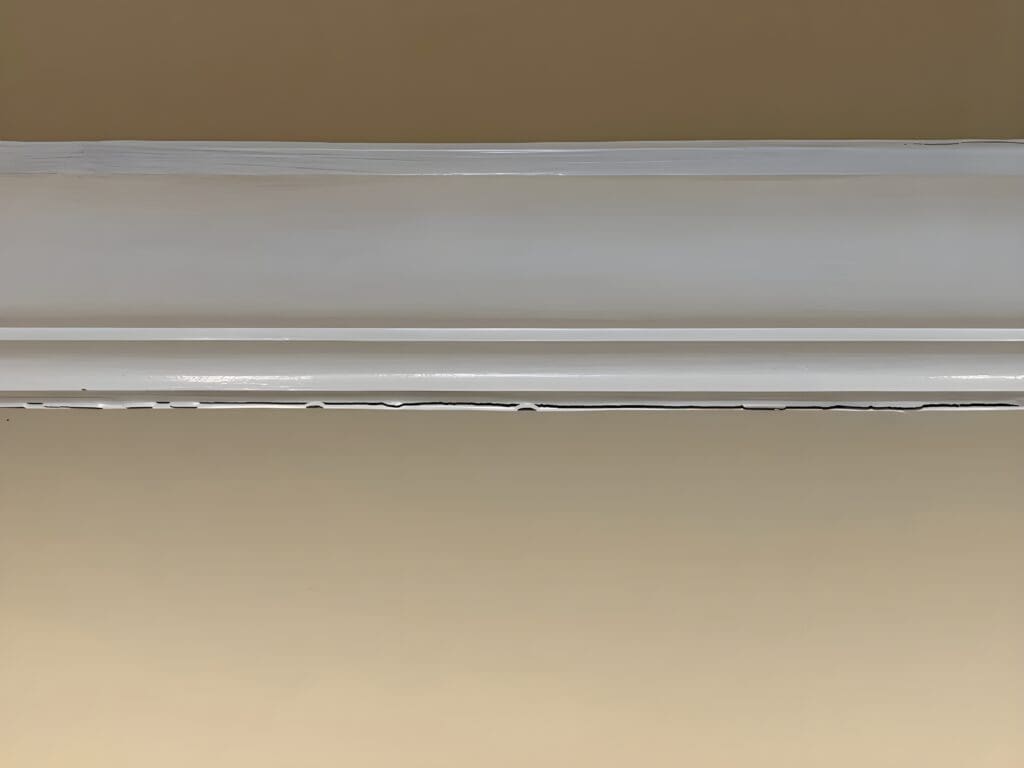
Not all caulk separation indicates a problem. In many interior areas—such as baseboards to drywall, crown molding to ceilings, door casings, and cabinetry to walls—caulk serves a purely cosmetic purpose, creating a smooth, finished appearance where materials meet. Because drywall, wood trim, and cabinetry expand and contract at different rates, especially in Birmingham’s seasonal humidity cycles, minor gapping is not only common but expected. This is particularly true after a remodel. When new drywall and trim go through their first winter heating season, materials naturally dry and contract, often revealing small hairline separations. This is a normal stabilization process, not a sign of poor workmanship. In these purely aesthetic areas, shrinkage cannot be permanently prevented—only maintained through periodic touch-ups. It is important, however, to distinguish cosmetic joints from protective ones. Connections such as tub-to-tile transitions, windows to brick, and roof flashing to siding may appear similar visually, but they also function as moisture barriers that protect underlying substructures. While interior trim gapping is typically routine maintenance, separation in wet or exterior areas warrants closer attention to ensure your home remains properly protected.

Reliable Design-Build-Remodel is a full service general construction firm and remodeling contractor operating in the Birmingham metro and Jefferson and Shelby County areas and surrounding communities, including Birmingham, Helena, Chelsea, Mountain Brook, Hoover, Homewood, Montevallo, Alabaster, Vestavia Hills, and Pelham, with over 30 years of servicing our valued clients. Offering full service suite of general remodeling, design and build services. Our specialties include bathroom remodeling, kitchen remodeling, exterior renovations, interior renovations, painting, and more!
Visit us at reliablerem.com, and like and follow us on Facebook and Instagram!