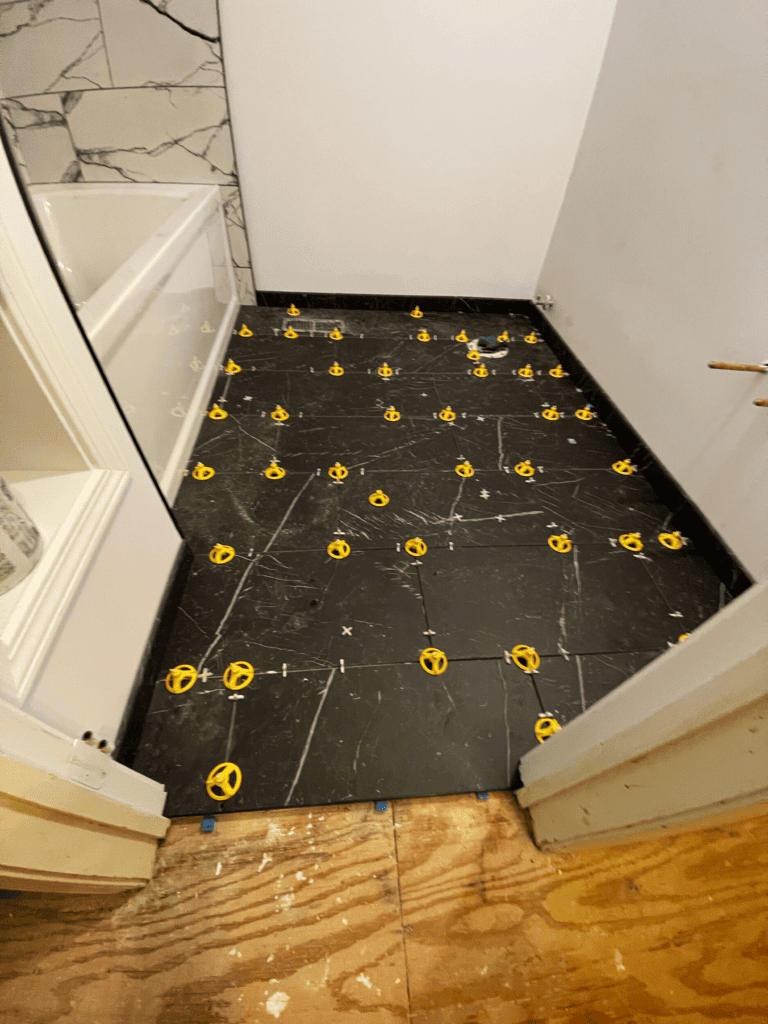
At Reliable Design-Build-Remodel, we spend a lot of time helping Birmingham-area homeowners make confident material selections during remodeling projects. Flooring decisions can feel overwhelming because they impact durability, maintenance, comfort, and the overall look of your home. One of the most common comparisons we discuss with clients is ceramic vs porcelain floor tile. While these materials may appear similar at first glance, they perform differently depending on where and how they are used. Understanding the strengths of each option helps ensure your flooring investment works beautifully for years to come. Below, we answer five of the most common questions people ask when deciding between ceramic and porcelain tile so you can move forward with clarity.
What Is the Difference Between Ceramic and Porcelain Floor Tile?
The primary difference between ceramic and porcelain floor tile comes down to composition and manufacturing. Both tiles are made from clay and fired in a kiln, but porcelain tile uses a more refined clay mixture and is fired at significantly higher temperatures. This process creates a denser, less porous material that absorbs very little moisture compared to traditional ceramic tile. Ceramic tile is slightly softer and easier to cut, making installation more straightforward in certain applications. Porcelain tile, on the other hand, is heavier and more rigid, which contributes to its reputation for strength and durability. From a visual standpoint, modern manufacturing allows both materials to mimic natural stone, wood, or concrete with impressive realism, so appearance alone rarely determines the choice. Instead, the decision typically depends on performance needs, traffic levels, and the environment where the tile will be installed.
Is Porcelain Tile Better Than Ceramic Tile for Floors?
Porcelain tile is often considered the stronger option for flooring, but “better” depends entirely on the space. Because porcelain is denser and more resistant to wear, it performs exceptionally well in high-traffic areas such as kitchens, entryways, mudrooms, and open-concept living spaces. Its resistance to moisture also makes it ideal for bathrooms and laundry rooms where spills and humidity are common. Ceramic tile still works very well as a floor covering, particularly in lower-traffic areas like guest bathrooms or bedrooms where extreme durability is not as critical. One advantage of ceramic tile is cost efficiency, which can make it a smart choice when covering large areas while maintaining a beautiful finished look. At Reliable Design-Build-Remodel, we guide clients toward porcelain when longevity and resilience are priorities, while ceramic remains an excellent solution when budget balance and design flexibility lead the conversation.
Which Tile Is More Durable and Water Resistant?
Durability and water resistance are often the deciding factors when comparing ceramic vs porcelain floor tile. Porcelain tile has an extremely low water absorption rate, typically less than 0.5 percent, which makes it highly resistant to moisture infiltration, staining, and cracking caused by temperature fluctuations. This characteristic also allows porcelain to perform well in exterior or semi-exposed environments when properly installed. Ceramic tile, while still durable, absorbs more water due to its slightly more porous structure. In most indoor environments this difference may not cause issues, but in spaces prone to standing water or heavy use, porcelain offers an extra layer of reliability. Both materials resist scratches and everyday wear better than many other flooring types, but porcelain’s density gives it an advantage in busy households with pets, children, or frequent entertaining. Proper installation and quality grout sealing remain essential regardless of tile type to ensure long-term performance.
Is Ceramic or Porcelain Tile Easier to Maintain?
Maintenance requirements for ceramic and porcelain tile are surprisingly similar, which is one reason tile flooring remains so popular in remodeling projects. Both options are easy to clean using simple sweeping and damp mopping routines, and neither requires specialized treatments like refinishing or sealing the tile surface itself. Porcelain tile’s lower porosity makes it slightly more resistant to stains and moisture penetration, which can simplify maintenance in kitchens or bathrooms. Ceramic tile may require a little more attention to spills over time, but when paired with properly sealed grout lines, it remains a very manageable flooring choice. The biggest maintenance factor with any tile floor is actually the grout rather than the tile material. Choosing high-quality grout products and scheduling periodic resealing helps preserve appearance and prevent discoloration. We often remind clients that the long-term success of tile flooring comes from thoughtful installation practices just as much as material selection.
How Do I Choose Between Ceramic and Porcelain Floor Tile for My Home?
Choosing between ceramic and porcelain floor tile ultimately comes down to lifestyle, location, and long-term goals for your home. If the space experiences heavy foot traffic, frequent moisture exposure, or demands maximum durability, porcelain tile is typically the better investment. It offers exceptional longevity and performs well in busy households where flooring must withstand daily use without compromise. Ceramic tile shines in areas where comfort underfoot, design versatility, and cost control are priorities. Many homeowners appreciate the ability to achieve a high-end aesthetic while maintaining a balanced renovation budget. During the design-build process at Reliable Design-Build-Remodel, we evaluate each room individually rather than applying a one-size-fits-all recommendation. By considering traffic patterns, subfloor conditions, and overall design vision, we help clients select flooring that supports both function and style. The best tile choice is the one that aligns with how you truly live in your home, not just how it looks in a showroom.

Selecting flooring is an important step in any remodeling project, and understanding ceramic vs porcelain floor tile allows you to make decisions with confidence. Both materials offer outstanding beauty, durability, and design flexibility when thoughtfully matched to the right environment. Whether you are updating a bathroom, renovating a kitchen, or transforming your entire home, taking the time to compare options ensures lasting satisfaction. Our goal at Reliable Design-Build-Remodel is always to educate and guide so every selection feels intentional and informed, helping your home function better while reflecting your personal style.
Reliable Design-Build-Remodel is a full service general construction firm and remodeling contractor operating in the Birmingham metro and Jefferson and Shelby County areas and surrounding communities, including Birmingham, Helena, Chelsea, Mountain Brook, Hoover, Homewood, Montevallo, Alabaster, Vestavia Hills, and Pelham, with over 30 years of servicing our valued clients. Offering full service suite of general remodeling, design and build services. Our specialties include bathroom remodeling, kitchen remodeling, exterior renovations, interior renovations, painting, and more!
Visit us at reliablerem.com, and like and follow us on Facebook and Instagram!