At Reliable Design-Build-Remodel, we know that choosing the right bathtub can be one of the most impactful decisions in a bathroom renovation. Among the most common choices homeowners face is whether to go with an acrylic or fiberglass tub. While both materials have their advantages, the best option depends on your specific needs, budget, and long-term goals. In this blog, we’ll answer common questions to help you make the most informed decision when considering an acrylic or fiberglass tub.
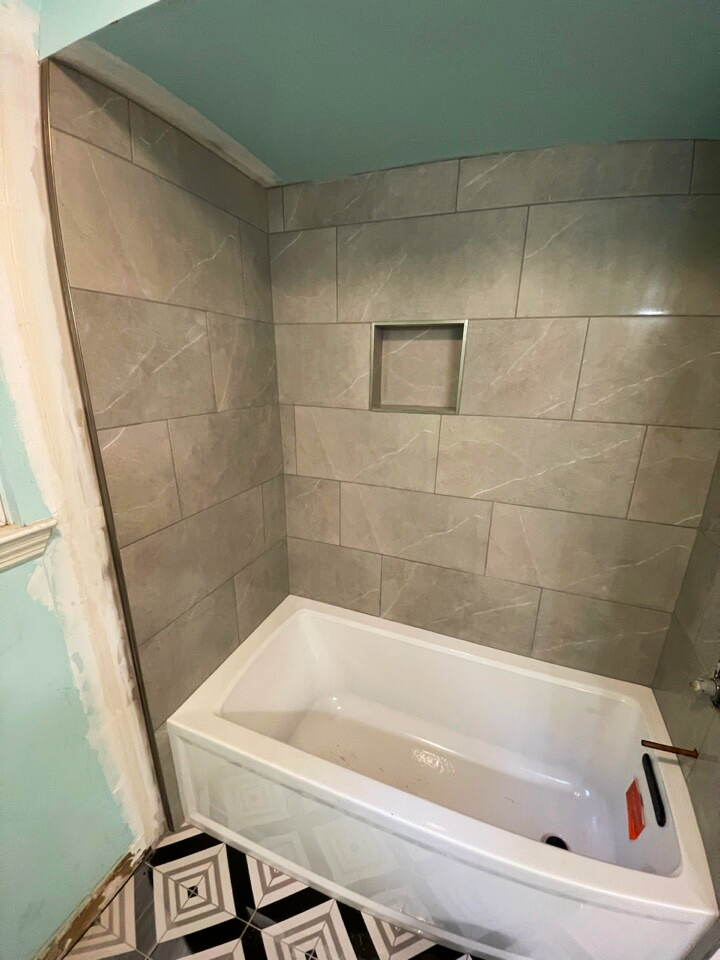
Which is better, an acrylic or fiberglass bathtub?
When comparing acrylic and fiberglass bathtubs, neither material is universally “better,” but each suits different needs. Acrylic tubs are generally more durable, retain heat longer, and come in a wider range of shapes and sizes. On the other hand, fiberglass tubs are more affordable, lightweight, and easy to install—making them a popular choice for budget-conscious projects or quick remodels. At Reliable Design-Build-Remodel, we recommend acrylic tubs for clients looking for longevity and comfort, while fiberglass may be the better pick for rental properties or low-traffic guest bathrooms. Ultimately, the “better” tub is the one that best meets your priorities for comfort, aesthetics, and cost.
What is the best material for a bathtub?
The best material for a bathtub depends on how you plan to use the space and what your long-term expectations are. Acrylic and fiberglass are both widely used in modern bathrooms, but they aren’t the only options—cast iron, porcelain, and stone resin also make appearances in high-end remodels. However, for most Birmingham homeowners, acrylic strikes the best balance between durability, design flexibility, and value. It resists scratches, holds warmth for a relaxing soak, and is available in a variety of styles. Fiberglass is more susceptible to wear and tear but offers a lightweight and low-cost solution for those seeking a functional yet economical bathtub. If you’re unsure what’s best for your home, our team is happy to help evaluate your goals and suggest materials accordingly.
What are the pros and cons of acrylic bathtubs?
Acrylic bathtubs offer a wide array of benefits. They are lightweight yet durable, easy to clean, and excellent at retaining heat—ideal for long, relaxing baths. Because acrylic is molded from sheets of plastic reinforced with fiberglass, it allows for greater flexibility in shapes and styles, making it a designer-friendly option. In addition, acrylic tubs are non-porous, which helps prevent mildew and staining. However, no material is without drawbacks. Acrylic tubs can be more expensive than fiberglass, and while resistant to damage, they can scratch if abrasive cleaners or tools are used. Fortunately, most surface scratches can be buffed out, making maintenance relatively simple. We’ve installed countless acrylic tubs across the Birmingham area and often find they meet both aesthetic and practical goals for most homeowners.

What are the pros and cons of fiberglass bathtubs?
Fiberglass bathtubs are a budget-friendly choice for homeowners looking for a quick and cost-effective update. Made by spraying layers of fiberglass into a mold and then sealing them with a gel coat, these tubs are lightweight, which makes them easy to handle and install—especially useful in tight spaces or on upper floors. They also heat up quickly, making them feel warm to the touch even in cooler months. On the downside, fiberglass is more prone to scratching, cracking, and fading over time. It’s also more porous than acrylic, which can lead to staining or mildew if not properly maintained. While repairs are possible, they often don’t restore the tub to its original condition. In our experience at Reliable, fiberglass tubs work best in secondary bathrooms or where a short-term solution is preferred.
How can I tell if a tub is acrylic or fiberglass?
If you’re trying to identify whether an existing tub is acrylic or fiberglass, there are a few telltale signs. First, press gently on the surface—fiberglass tends to flex more easily, while acrylic will feel slightly firmer and more solid. Next, take a close look at the edges or underside, if accessible. Fiberglass tubs often have a rough, unfinished underside and a more matte gel coat finish, whereas acrylic tubs usually have a smooth, consistent finish with a reinforced backing. You can also tap on the tub surface—fiberglass typically produces a more hollow sound, while acrylic feels denser. If you’re still unsure, our team at Reliable Design-Build-Remodel can help assess your current setup during an in-home consultation and guide you on the best next steps.

Ultimately, the decision between an acrylic or fiberglass tub comes down to what matters most in your bathroom remodel. If your priority is affordability and speed, fiberglass may be the way to go. If you’re looking for a tub that’s built to last, offers better heat retention, and has a sleek modern look, acrylic may be worth the extra investment. At Reliable Design-Build-Remodel, we take the time to listen to your needs, understand your space, and recommend solutions that align with your vision and lifestyle.
Reliable Design-Build-Remodel is a full service general construction firm and remodeling contractor operating in the Birmingham metro and Jefferson and Shelby County areas and surrounding communities, including Birmingham, Helena, Chelsea, Mountain Brook, Hoover, Homewood, Montevallo, Alabaster, Vestavia Hills, and Pelham, with over 30 years of servicing our valued clients. Offering full service suite of general remodeling, design and build services. Our specialties include bathroom remodeling, kitchen remodeling, exterior renovations, interior renovations, painting, and more!
Visit us at reliablerem.com, and like and follow us on Facebook and Instagram!