
Interior trim molding is one of the most powerful design elements in a home, yet it’s often overlooked during remodeling conversations. At Reliable Design-Build-Remodel here in Birmingham, AL, we regularly help clients discover how thoughtfully selected trim can completely transform a space without changing the overall footprint of the home. From adding architectural character to creating clean visual transitions between surfaces, interior trim molding brings polish, personality, and craftsmanship into every room. Whether you are updating a historic home or refining a modern renovation, understanding the different types of interior trim molding helps you make confident design decisions that enhance both style and value.
What Are the Main Types of Interior Trim Molding?
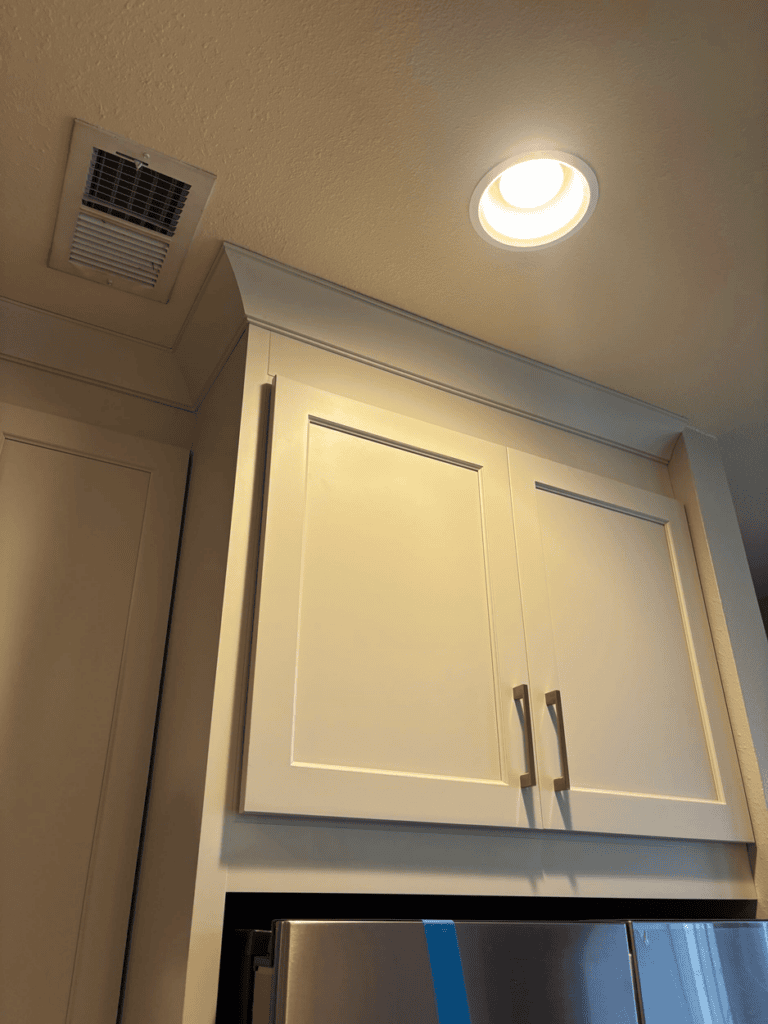
Interior trim molding includes several categories, each designed to serve both a functional and decorative purpose. The most common types include baseboards, crown molding, casing, chair rail, picture rail, and wainscoting trim. Baseboards run along the bottom of walls to protect drywall while creating a finished transition to flooring. Crown molding sits at the ceiling line, softening the angle between wall and ceiling while adding elegance and height perception. Door and window casing frames openings and provides visual structure throughout the home. Chair rail molding divides wall surfaces horizontally, often paired with decorative wall treatments below it. Picture rail molding offers a classic solution for hanging artwork without damaging walls, and wainscoting trim introduces layered texture and architectural interest. Each type contributes to the overall design language of a home, and selecting the right combination allows spaces to feel intentional rather than pieced together.
Which Interior Trim Molding Style Is Best for My Home?
Choosing the best trim style depends largely on your home’s architectural character and the feeling you want to create. Traditional homes often benefit from larger, more detailed moldings with curves, profiles, and layered designs that echo historic craftsmanship. Transitional homes typically balance simplicity and detail, using clean-lined profiles that still offer depth without feeling ornate. Contemporary spaces usually lean toward minimal trim with squared edges and slimmer proportions, creating a crisp and uncluttered appearance. In our remodeling projects, we guide clients toward consistency first—trim selections should flow naturally from room to room rather than changing dramatically between spaces. Matching trim proportions to ceiling height is also important; taller ceilings can support wider crown molding and baseboards, while smaller rooms benefit from more modest profiles that maintain scale. The right style enhances the home’s identity rather than competing with it.
What Is the Difference Between Crown Molding, Baseboards, and Casing?
While these three trim elements often work together, they serve distinct roles within a home. Crown molding is installed where walls meet the ceiling and is primarily decorative, drawing the eye upward and adding sophistication. Baseboards sit at floor level and act as both protection and design detail, covering expansion gaps while grounding the room visually. Casing surrounds doors and windows, concealing framing joints and giving openings a finished appearance. Think of these components as framing devices: baseboards frame the bottom of a room, crown molding frames the top, and casing frames transitions between spaces. When coordinated properly, they create a layered architectural framework that makes even newly built homes feel custom. During remodeling, we often recommend selecting all three together rather than individually to ensure proportions, profiles, and finishes work harmoniously throughout the home.
How Do I Choose the Right Size and Proportion of Trim Molding?
Proportion is one of the most important factors in trim design, yet it is frequently underestimated. Larger rooms and higher ceilings generally call for wider baseboards and taller crown molding profiles to maintain visual balance. A common mistake is installing thin trim in expansive spaces, which can make rooms feel unfinished or builder-grade. Conversely, oversized trim in small rooms can overwhelm the space and reduce visual comfort. Door height, ceiling height, and wall dimensions all influence ideal sizing. For example, eight-foot ceilings often pair well with baseboards between five and seven inches tall, while ten-foot ceilings can support significantly larger profiles. Consistency between rooms also matters; gradual transitions feel intentional, while abrupt changes can disrupt flow. At Reliable Design-Build-Remodel, we often mock up trim samples during the design phase so clients can see how scale affects the overall environment before installation begins.
Is Interior Trim Molding Worth Adding During a Remodel?
Interior trim molding is one of the most cost-effective ways to elevate a remodel because it enhances nearly every surface it touches. Unlike structural changes that may only impact one area, trim improvements influence the entire visual experience of the home. Updated baseboards can modernize older interiors, crown molding can add perceived ceiling height, and upgraded casing can instantly make doors and windows feel custom-built. Trim also helps unify new and existing spaces, which is especially valuable during partial renovations or home additions. From a resale standpoint, well-executed trim work signals quality craftsmanship and attention to detail—two factors buyers consistently notice. Beyond financial value, trim molding simply makes homes feel more finished and welcoming. Many clients tell us their spaces feel warmer, more complete, and more reflective of their personal style after thoughtful trim upgrades.

Interior trim molding may seem like a small design decision, but its impact is anything but minor. By understanding the different types of interior trim molding, selecting styles that complement your home, and paying attention to proportion and detail, you can dramatically improve the look and feel of your living spaces. At Reliable Design-Build-Remodel, we believe successful remodeling lies in balancing big-picture vision with carefully chosen finishing elements. Trim molding is where craftsmanship truly becomes visible, tying together flooring, walls, ceilings, and architectural features into one cohesive design. Whether you are planning a full renovation or simply refreshing your interiors, investing in well-designed trim ensures your home feels polished, timeless, and uniquely yours.
Reliable Design-Build-Remodel is a full service general construction firm and remodeling contractor operating in the Birmingham metro and Jefferson and Shelby County areas and surrounding communities, including Birmingham, Helena, Chelsea, Mountain Brook, Hoover, Homewood, Montevallo, Alabaster, Vestavia Hills, and Pelham, with over 30 years of servicing our valued clients. Offering full service suite of general remodeling, design and build services. Our specialties include bathroom remodeling, kitchen remodeling, exterior renovations, interior renovations, painting, and more!
Visit us at reliablerem.com, and like and follow us on Facebook and Instagram!