Moisture issues are one of the most common concerns we encounter at Reliable Design-Build-Remodel while working in homes throughout Birmingham, AL. Whether discovered during a bathroom renovation, kitchen remodel, or post-storm repair, unexpected growth on walls, ceilings, or surfaces often raises an important question: mold vs mildew—what’s the difference, and how serious is it? While the two are often confused, understanding how they differ can help you make better decisions about cleaning, maintenance, and long-term home protection. Both mold and mildew thrive in damp environments, but they behave differently, present different risks, and require different responses. Knowing what you’re dealing with allows you to act quickly, prevent damage, and maintain a healthier living environment for your family.
What is the difference between mold vs mildew?
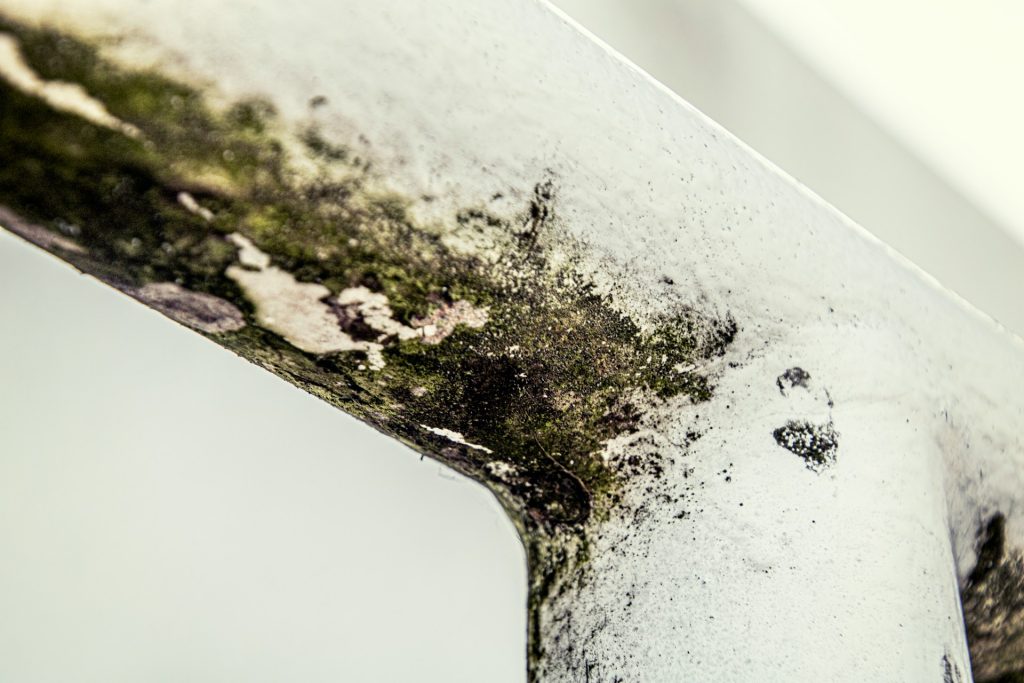
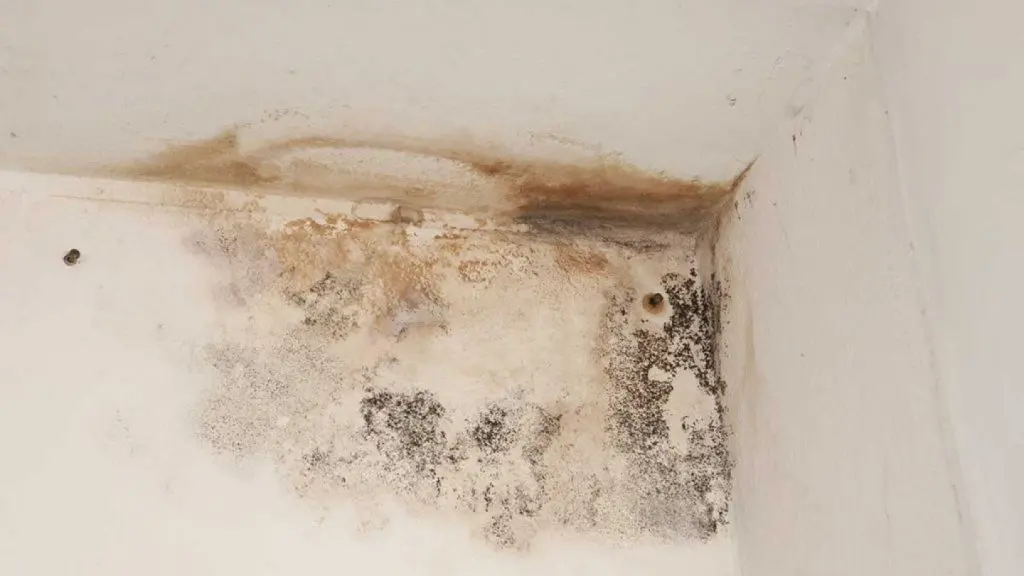
The primary difference between mold vs mildew comes down to appearance, growth behavior, and potential impact on your home. Mildew is typically a surface-level fungus that appears as flat patches of white, gray, or light yellow growth. It commonly forms in humid areas like bathrooms, laundry rooms, or around windows where condensation builds up. Mold, on the other hand, is more invasive and often appears darker in color—black, green, or brown—with a fuzzy or slimy texture. Unlike mildew, mold can penetrate porous materials such as drywall, wood framing, insulation, and cabinetry. This deeper growth means mold can spread beyond what is immediately visible. In remodeling projects, we often find mildew limited to surfaces that can be cleaned, while mold may require removal of affected materials to fully resolve the issue. Recognizing these visual and structural differences is the first step toward determining the right solution.
Is mold more dangerous than mildew?
Many people wonder whether mold is truly more serious than mildew, and in most cases, the answer is yes. Mildew is generally considered a nuisance problem that can cause odors and minor surface staining but rarely leads to structural damage. Mold, however, can pose both health and property risks if left untreated. Certain types of mold release airborne spores that may trigger allergies, respiratory irritation, or discomfort, particularly for individuals with sensitivities. From a construction standpoint, mold can weaken building materials over time, leading to costly repairs if moisture problems continue unchecked. During renovation assessments, we focus not only on removing visible growth but also identifying the underlying moisture source—whether it’s a leaking pipe, poor ventilation, or improper waterproofing. Addressing the root cause is essential because simply cleaning mold without solving the moisture issue often results in recurrence.
Where do mold and mildew typically grow inside a home?
Understanding where mold and mildew develop helps prevent them from becoming larger problems. Both thrive in environments with moisture, warmth, and limited airflow. Bathrooms are one of the most common locations due to steam from showers and inadequate ventilation. Kitchens, especially areas beneath sinks or behind appliances, are also frequent trouble spots. Basements, crawlspaces, laundry rooms, and attic spaces may develop mold when humidity levels remain high or when insulation and airflow are insufficient. Mildew often appears on shower curtains, tile grout, and window frames where moisture collects temporarily. Mold tends to grow in hidden areas such as behind walls, under flooring, or inside cabinetry when water intrusion occurs. In our experience remodeling homes across central Alabama, long-term humidity combined with seasonal weather patterns makes moisture management especially important. Proper ventilation, sealed building envelopes, and moisture-resistant materials all play a major role in prevention.
How do you remove mold and mildew safely?
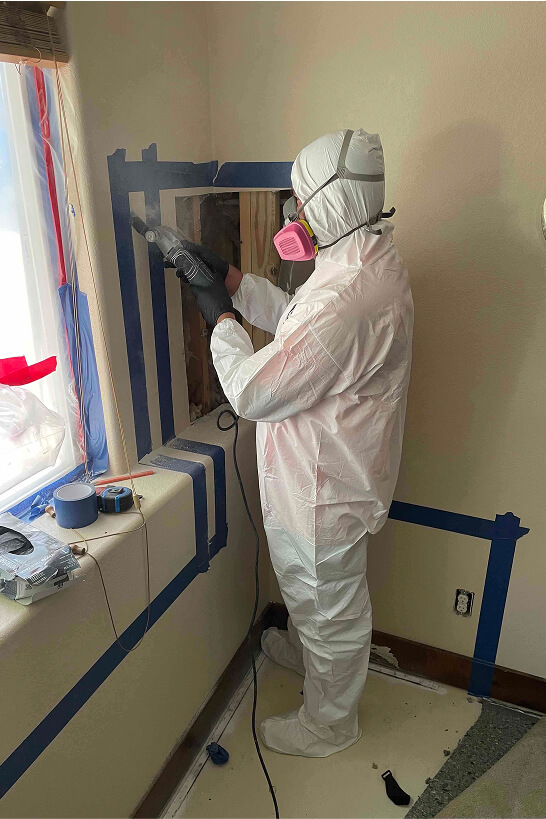
Removal methods differ depending on whether you are dealing with mold vs mildew. Mildew can often be cleaned using household cleaners or mild antimicrobial solutions, provided the affected area is small and limited to non-porous surfaces. Regular cleaning and improved airflow are usually enough to keep mildew from returning. Mold removal requires more caution. Small areas may be manageable with proper protective equipment, but larger infestations should be evaluated by professionals to prevent spores from spreading during cleanup. In remodeling situations, we frequently recommend removing contaminated drywall, flooring, or insulation rather than attempting surface treatment alone. Proper containment, drying, and sanitation are critical steps in restoring a safe environment. Equally important is correcting the moisture source—repairing leaks, improving ventilation systems, or upgrading waterproofing measures—to ensure the problem does not come back after remediation.
How can you prevent mold and mildew in the future?
Prevention is always more effective and affordable than repair. Managing indoor humidity levels is one of the most important steps in avoiding both mold and mildew. Using bathroom exhaust fans during showers, running kitchen ventilation while cooking, and maintaining proper airflow throughout the home all help reduce excess moisture. Dehumidifiers can be particularly beneficial in basements or homes prone to humidity. Regularly inspecting plumbing fixtures, roofs, and exterior drainage systems allows small leaks to be addressed before they cause hidden damage. During remodeling projects, we often recommend moisture-resistant drywall, properly sealed tile systems, and improved insulation strategies designed to limit condensation. Routine maintenance combined with thoughtful construction choices creates a healthier home environment. When moisture control becomes part of everyday home care, the risk of mold and mildew growth drops significantly, helping protect both your investment and your comfort for years to come.

Reliable Design-Build-Remodel is a full service general construction firm and remodeling contractor operating in the Birmingham metro and Jefferson and Shelby County areas and surrounding communities, including Birmingham, Helena, Chelsea, Mountain Brook, Hoover, Homewood, Montevallo, Alabaster, Vestavia Hills, and Pelham, with over 30 years of servicing our valued clients. Offering full service suite of general remodeling, design and build services. Our specialties include bathroom remodeling, kitchen remodeling, exterior renovations, interior renovations, painting, and more!
Visit us at reliablerem.com, and like and follow us on Facebook and Instagram!